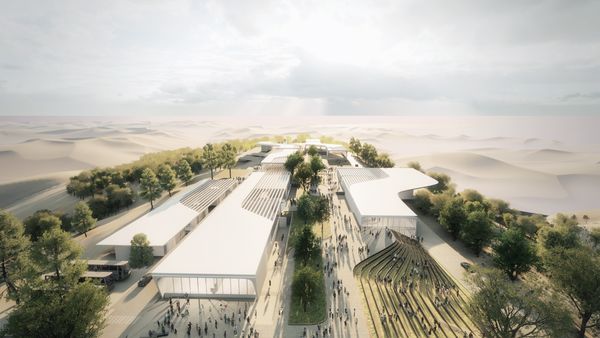
Cliffside Campus
By Yaniv Hatiel ,Amin Yassin, Jonathan Zisser , Yoel Goldstein
The campus is envisioned as a vibrant educational and public center, harmoniously integrated into the natural terrain. Drawing inspiration from the topography, the design flows along the contours of the ridge, creating a seamless dialogue between built form and landscape.
A central promenade connects all functions, fostering movement, encounters, and a strong sense of community. The terraced buildings and fluid roofs follow the slope, blending indoor and outdoor spaces. Carefully placed openings and skylights allow natural light to shape dynamic interiors, while shading elements ensure comfort throughout the year—creating an inspiring environment for learning, gathering, and growth.
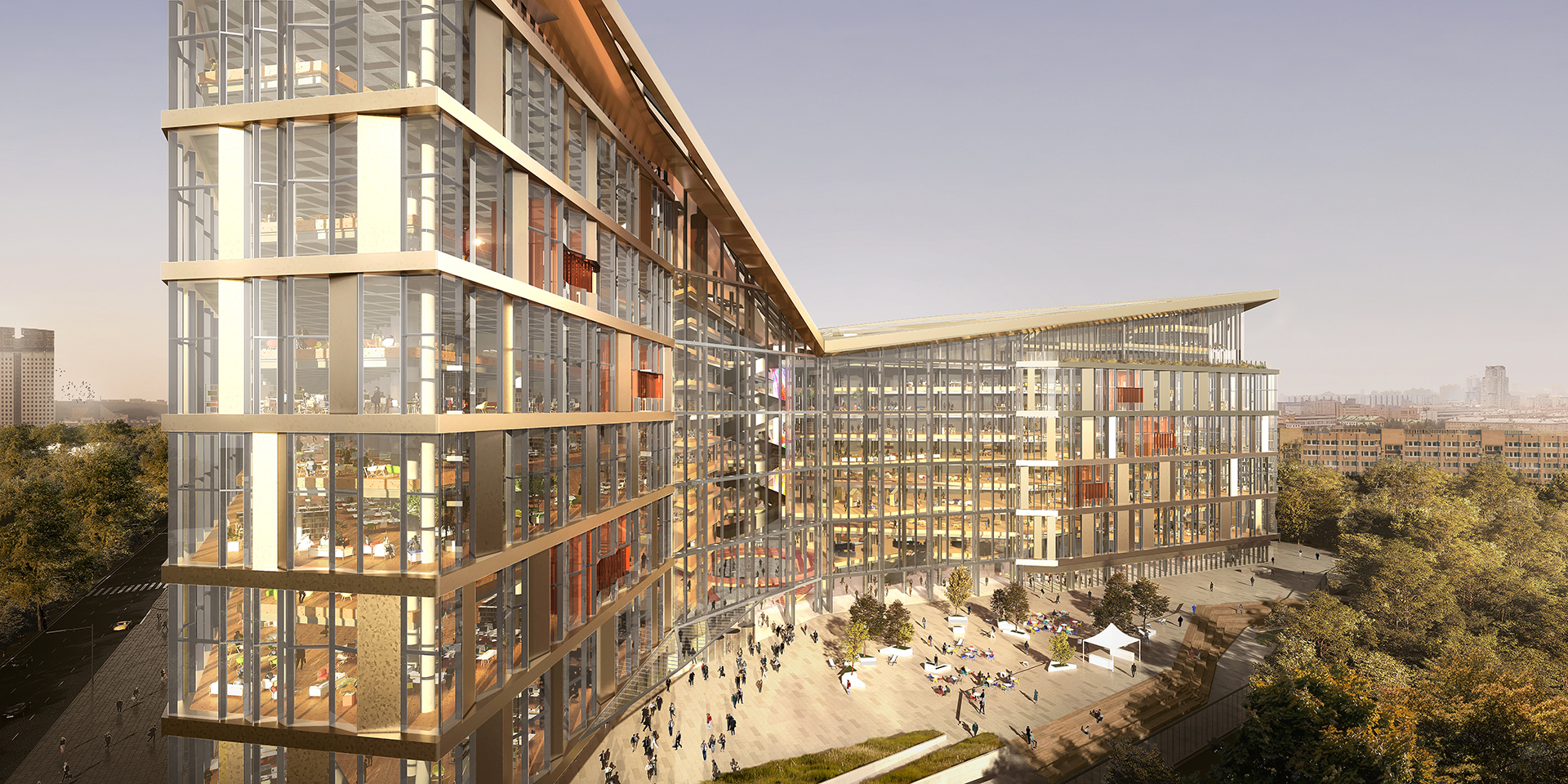
Yandex Headquarter
By PLP Architecture published on Dezeen
A bold new landmark for Moscow, Yandex’s HQ reimagines the tech campus as an open, integrated environment—elevated above the city yet deeply connected to it. Its sculpted titanium form hovers above a public plaza, inviting interaction, culture, and movement. Within, a luminous central hub connects three dynamic work wings—encouraging collaboration and permeability.
Yaniv Hatiel led the integration of computational design and BIM on the Yandex Headquarters project, spearheading a data-driven approach to façade development through generative algorithms and custom evaluation tools. He established cross-platform workflows between Rhino and Revit, enabling native geometry delivery at scale. As envelope BIM coordinator, he oversaw design integration, model management, and quality control. He also introduced VR-based review processes and a generative fit-out strategy, setting a precedent for performance-driven design practice.

Oriente Green Campus
By KPF , more info on Oriente Lisbon
Oriente Green Campus is a transformative reuse project in Lisbon that reimagines an existing structure as a sustainable, high-performance office and tech hub. Strategically located near key research institutions, the development is a landmark addition to the city’s skyline and has achieved LEED Platinum certification for its environmental performance.
Yaniv Hatiel played a dual role as design team lead and BIM specialist on the Oriente Green Campus. He led the coordination of the façade design and environmental performance strategy, guiding the integration of cross-ventilation, daylight availability, and envelope optimization into the design process. His work ensured that the architectural intent aligned with both technical and sustainability goals. He shaped the BIM Execution Plan, established efficient design-to-delivery workflows, and coordinated cross-disciplinary teams. He also oversaw the integration of performance data into a fully detailed and interoperable BIM model. His contributions supported both design quality and technical execution, helping the project achieve LEED Platinum certification

Odesa Expo 2030
By Zaha Hadid Architects , more info on Dezeen
The Odesa Expo 2030 masterplan envisions a modular, flexible site along the Khadzhibey estuary, designed to host Eastern Europe’s first World Expo. Four large pavilions and a central boulevard anchor the layout, with each national pavilion built from a kit-of-parts system that encourages customization and reuse.


Ice Rink
By Yaniv Hatiel | 01Architecture©
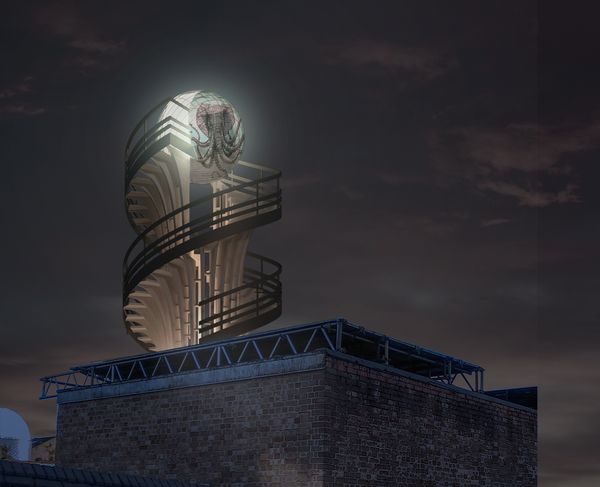
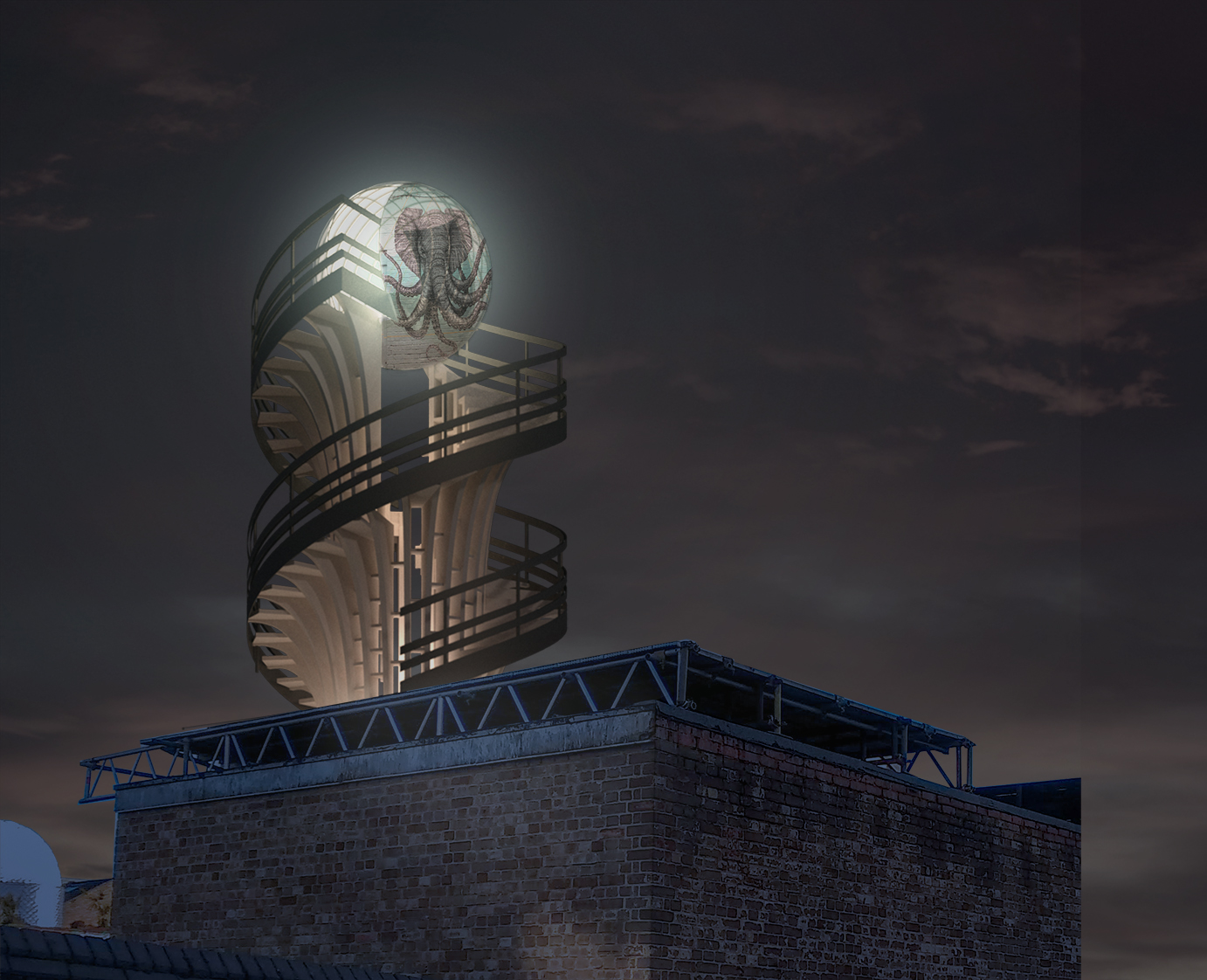

Interactive Art Beacon
By Yaniv Hatiel
Sustainability is central: structures can be dismantled post-Expo and redeployed as schools, clinics, or community hubs across Ukraine. Photovoltaics, wind power, and recycled materials from war-damaged sites contribute to an energy-positive, circular design strategy.

Museum of Art
By Yaniv Hatiel , David Bahar, more info on The New York Times
Yoga Retreat
By Yaniv Hatiel | 01Architecture© , Tina Tharrouniati
This visionary plan balances global ambition with local legacy—celebrating Odesa’s cultural richness and delivering lasting civic value.
U-House Complex
By Yaniv Hatiel | 01Architecture©
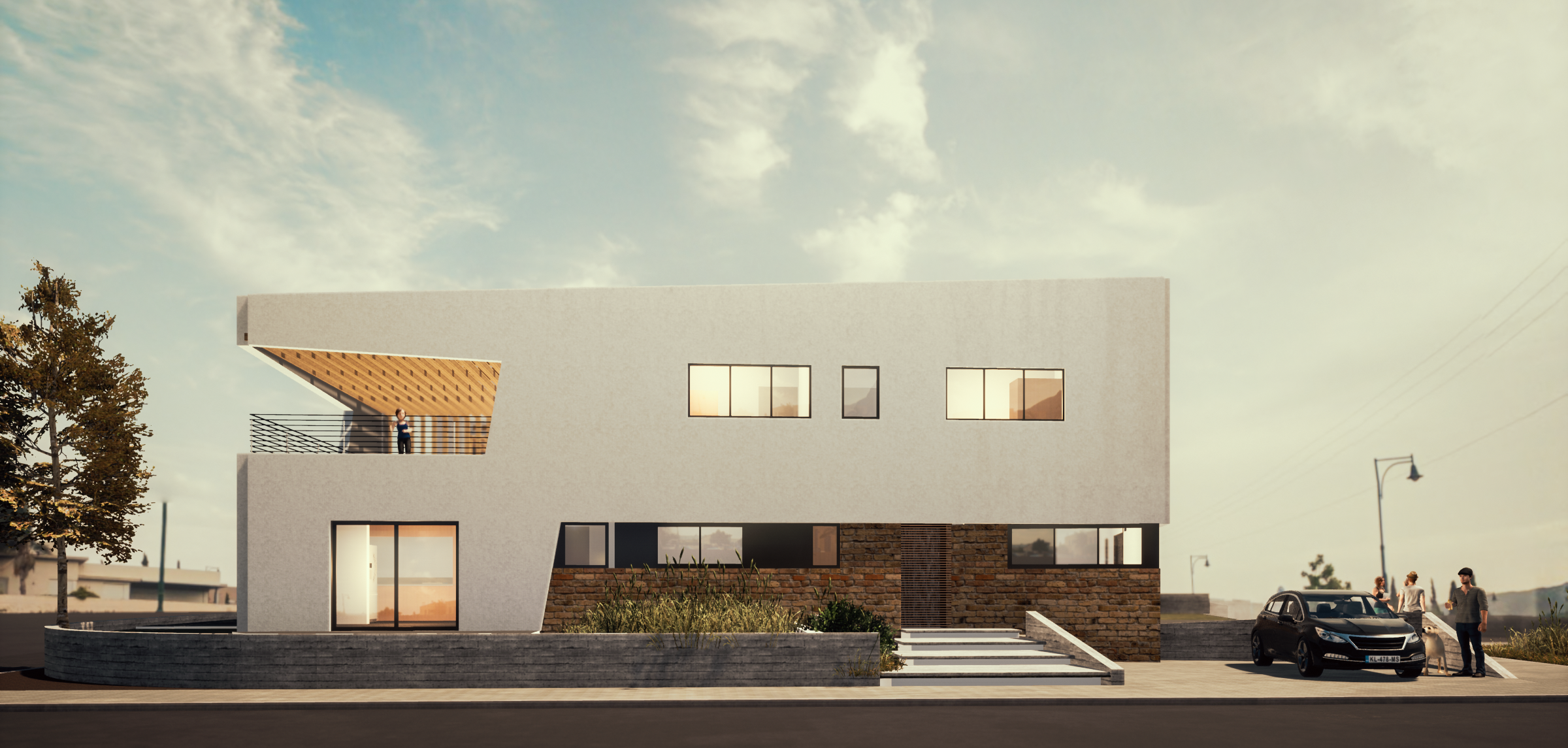
This residential complex reimagines the detached home typology in response to evolving planning regulations that now permit four units per 1,000 sqm. The design preserves the spatial quality and privacy associated with single-family homes while achieving higher density.
The massing follows the building setbacks to define private courtyards between units. These garden spaces enhance natural light, ventilation, and outdoor living—well-suited to the Mediterranean climate. Each unit enjoys a separate entrance and direct access to outdoor space, reinforcing independence and privacy. The building’s façade blurs the boundaries between units, creating a cohesive visual identity that fosters a sense of belonging. This unified expression supports a new model of compact, community-oriented living without compromising individual comfort or character.
Responsive System For Crowded Cities
By Yaniv Hatiel | 01Architecture©, Render by Amit Sadik
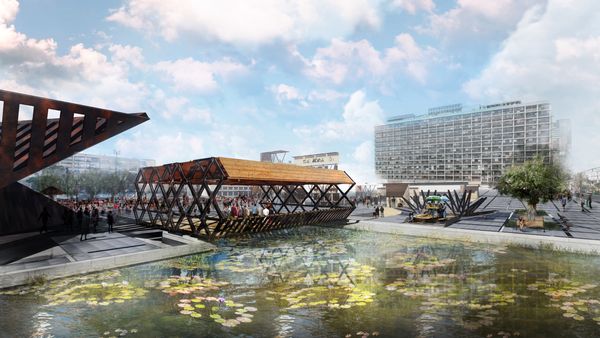
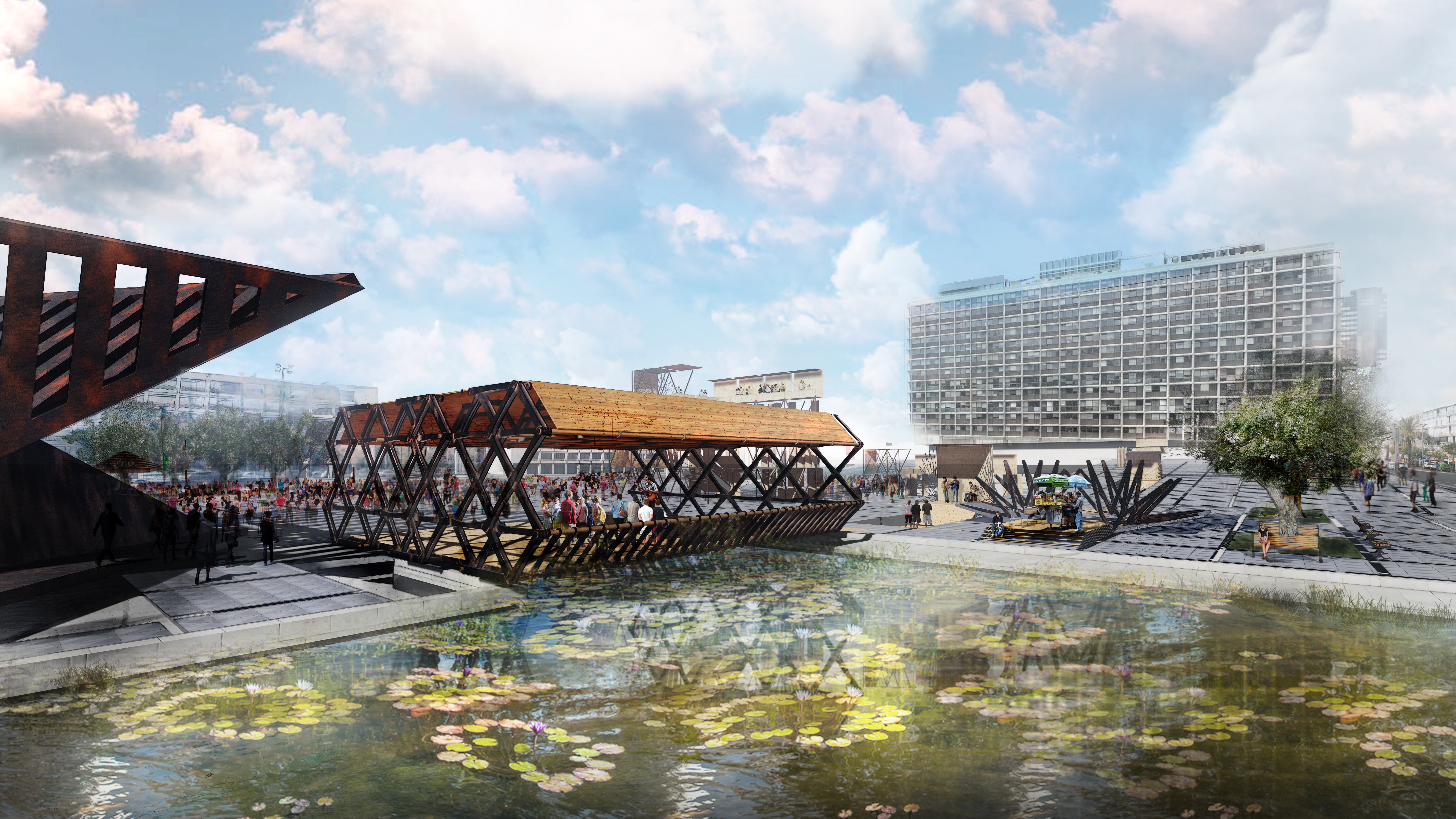
This project investigates how kinetic architecture can redefine public space in dense urban environments. Developed through a modular pantograph system, the design introduces flexible structures that shift in response to changing demands—expanding or contracting to support diverse activities throughout the day. These dynamic transformations allow cities to reclaim underused land and adapt it to the evolving needs of their communities.
Enabled by digital infrastructure and real-time data, the system translates urban conditions into spatial decisions. Each module balances efficiency and expression, offering a spectrum of configurations that support both social interaction and individual use. The result is a spatial framework that embraces the complexity of future cities—fluid, inclusive, and deeply responsive.

Formula Car Design
By Yaniv Hatiel | 01Architecture©, Ryan Porati
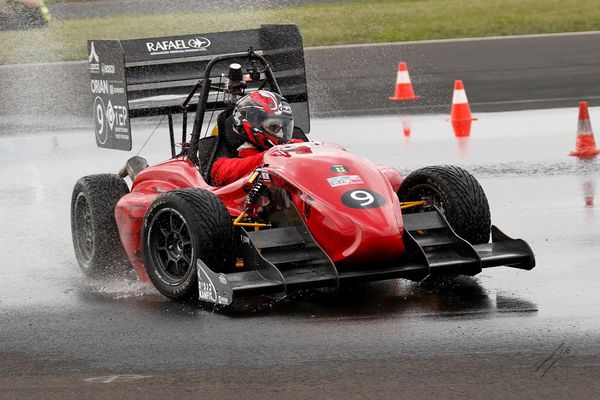
This bespoke formula car body shell was designed for competitive racing in Hungary and the Czech Republic. Using Rhino and Grasshopper, we created a digital twin that guided a highly iterative parametric design process. Simulations informed every decision, from aerodynamic performance to material efficiency, all while meeting strict budget constraints.
Multiple design options were tested for airflow, structural strength, and cost. The final shell was CNC fabricated from composite materials, with components optimized for minimal waste. Developed in close collaboration with mechanical and aeronautical engineers, the project demonstrates how digital tools and integrated teamwork can deliver precision-engineered results in real-world conditions.